Identifying and managing the major pests, parasites, and brood diseases affecting honey bee colonies in the Waikato and across New Zealand.
Present throughout New Zealand, Varroa weakens adult bees and brood while transmitting lethal viruses. Left untreated, Varroa will kill a colony within 1–2 years.
A highly contagious, spore-forming bacterium (Paenibacillus larvae) that kills brood. Under NZ law, AFB cannot be treated with antibiotics.
Following detections on Auckland's North Shore in late 2025, Biosecurity NZ is actively monitoring for Vespa velutina. Hornets hawk honey bees outside hive entrances and can decimate colonies.
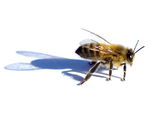
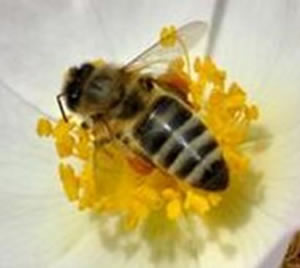
Knowing how to tell honey bees apart from introduced wasps and territorial solitary bees helps you protect your hives and garden pollinators. View more close-up photos in our Bee Gallery.
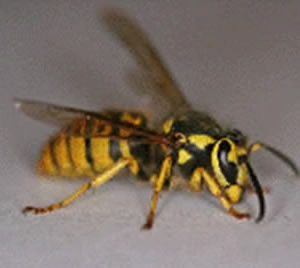
Introduced German wasps (Vespula germanica) and common wasps (Vespula vulgaris) are major pests in New Zealand. They prey on native insects, Monarch caterpillars, and honey bees—robbing honey stores and killing adult bees and brood.
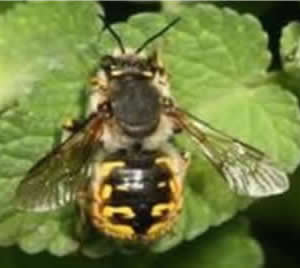
First discovered in New Zealand in Napier and Nelson in 2006, the introduced European wool carder bee is now established across much of the North Island, including the Waikato.